Dana Roth · 2 September 2026
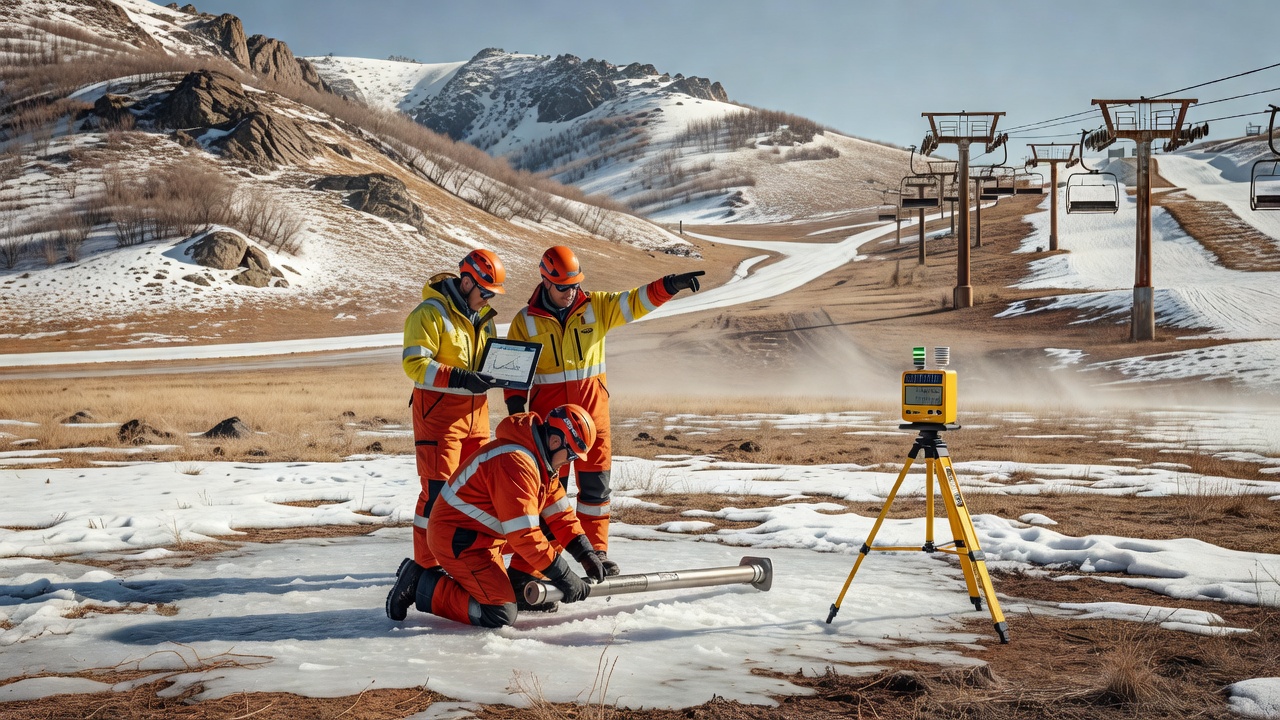
New measurements from snowpack monitoring stations indicate that ongoing drought conditions are significantly affecting ski resorts across the western United States. Data collected from SNOTEL sites show snow water equivalent levels at historic lows for this time of year. Analysts have compiled information from over 200 stations to provide a comprehensive view of current conditions impacting winter sports facilities.
Key Findings from Recent Surveys
According to the latest reports from the Natural Resources Conservation Service, snowpack in the Sierra Nevada is 55 percent below the median average. In Colorado, several key basins report deficits exceeding 40 percent. These figures come from automated sensors that measure snow depth and density at high-elevation locations critical to resort snowmaking and natural accumulation. Additional data from Idaho and Montana indicate similar patterns with some variation based on elevation and aspect. Researchers emphasize that these measurements are crucial for predicting water availability during the melt season as well as for planning resort activities.
Experts note that the lack of precipitation during the fall and early winter months has compounded the issue. Resorts in California and Utah are particularly hard hit, with some areas seeing the lowest readings since monitoring began in the 1980s. This has forced many facilities to rely more heavily on snowmaking equipment, increasing operational costs. The drought effects extend beyond immediate snow cover to influence soil moisture and vegetation, which can affect avalanche risks and trail maintenance throughout the winter period.
Consequences for Ski Industry Operations
The reduced snowpack is leading to shorter seasons and limited terrain availability at numerous resorts. Managers report that lower elevations are struggling to maintain base layers, resulting in delayed openings. Economic analyses suggest potential revenue losses in the millions for the current season if conditions do not improve with spring storms. Many resorts have implemented conservation measures and adjusted their snowmaking schedules to optimize limited water resources. Furthermore, the situation has prompted discussions among stakeholders about long-term sustainability and adaptation strategies in the face of changing climate patterns.
Environmental concerns also arise as drought affects water supplies used for snow production. Industry leaders are calling for better water management strategies and investments in advanced snowmaking technologies to mitigate future risks. While some northern resorts have fared better due to localized weather patterns, the overall trend points to challenges ahead for the broader slope recreation sector. Continued monitoring will be essential to assess recovery potential as the season progresses.