Logan Vogel · 2 September 2026
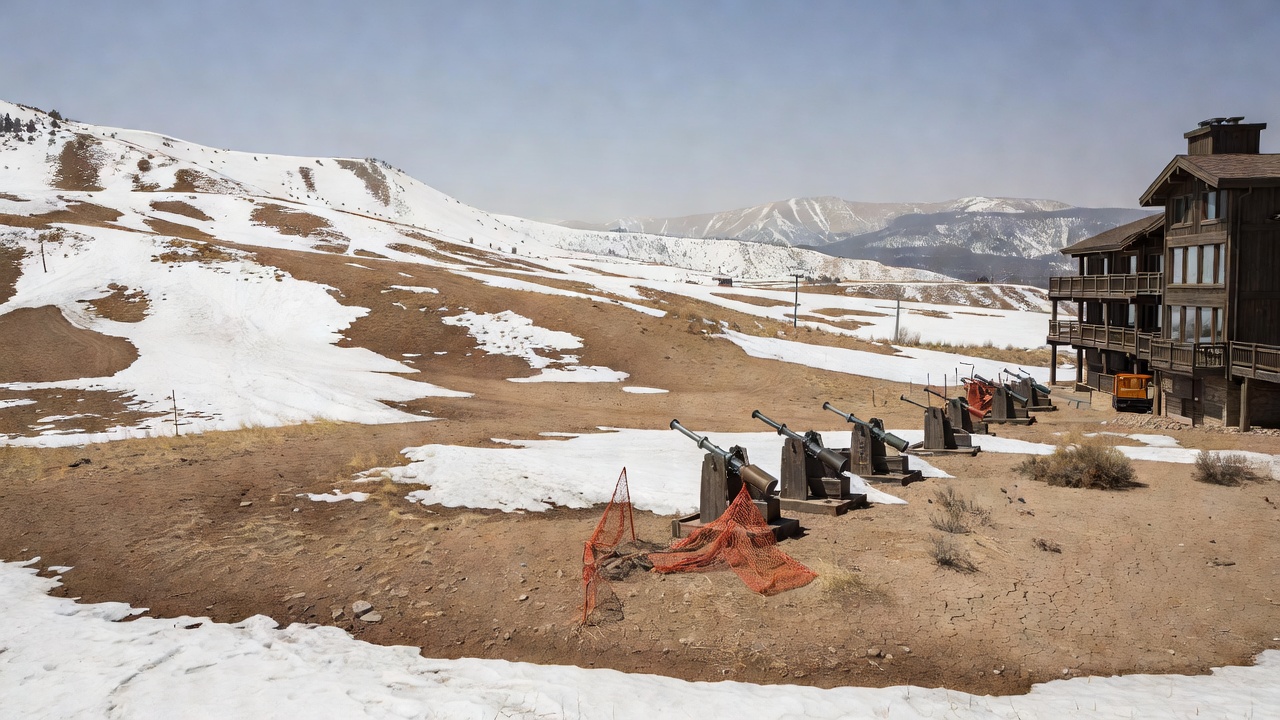
Recent snowpack measurements from SNOTEL stations across the western United States show levels at 55 percent of the 30-year median, underscoring the persistent drought's toll on mountain recreation areas. Data collected through mid-January reveal stark deficits in the Sierra Nevada and Rockies, where water equivalent readings lag far behind historical averages.
Regional Measurement Findings
In California, the Sierra Nevada basin reports just 42 percent of normal snow water equivalent, with several high-elevation sites recording record lows for the date. Colorado stations average 61 percent, while Utah and Idaho hover near 58 percent. These figures stem from automated sensors and manual surveys conducted by the Natural Resources Conservation Service. Analysts note that warmer temperatures have shifted precipitation from snow to rain, accelerating melt and reducing accumulation. Such conditions threaten spring runoff volumes critical for downstream water supplies and resort snow reliability.
Experts emphasize that multi-year drought cycles compound the issue, leaving soil moisture depleted and limiting early-season base building. Resorts dependent on natural snowfall now face heightened uncertainty in operational timelines.
Resort Operations and Outlook
Ski areas report shortened seasons and increased reliance on snowmaking, which strains water resources already under drought restrictions. Several major destinations have delayed openings by two to three weeks and reduced terrain access. Economic ripple effects include lower lift ticket sales and lodging occupancy, prompting operators to diversify into summer activities like mountain biking. Adaptation strategies involve advanced forecasting tools and conservation measures to stretch limited supplies. Forecasters predict continued below-average accumulation through February unless significant storms materialize, leaving many resorts preparing contingency plans for early closures. Overall, the measurements highlight the need for long-term resilience planning amid shifting climate patterns.