Lars Patterson · 2 September 2026
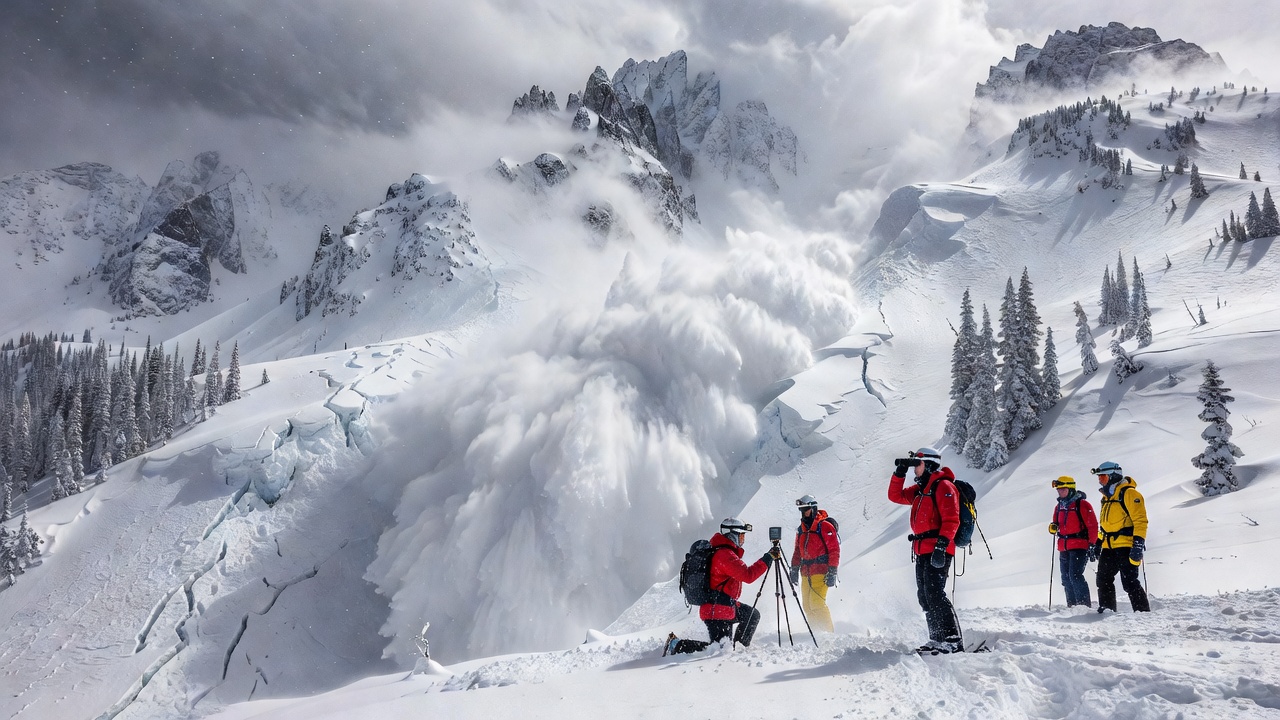
The Colorado Avalanche Information Center has issued warnings for multiple Front Range slopes following recent heavy snowfall and warming temperatures that have destabilized the snowpack. Backcountry travelers are urged to avoid steep terrain above 9,000 feet where slab avalanches are likely.
Current Conditions and Risks
Forecasters report 18 to 30 inches of new snow in the past 72 hours across areas near Rocky Mountain National Park and the Indian Peaks Wilderness. Weak layers of faceted snow buried beneath the storm slab increase the likelihood of human-triggered avalanches. Persistent weak layers from earlier in the season remain a concern at mid-elevations. Wind-loaded slopes on northerly and easterly aspects present the greatest hazard. Avalanche activity has already been observed on several test slopes, with crowns ranging from 12 to 24 inches deep.
Highway 34 and sections of the Peak-to-Peak Highway remain under monitoring due to potential slide paths. Local ski patrols have closed several expert runs at resorts bordering the warning zones. No injuries have been reported yet, but search-and-rescue teams are on heightened alert.
Precautions and Safety Measures
Experts recommend carrying avalanche transceivers, probes, and shovels, and traveling only with partners trained in rescue techniques. Avoiding slopes steeper than 30 degrees is advised until the snowpack stabilizes. Checking the daily forecast from the Colorado Avalanche Information Center before departure is essential. Groups should space out when crossing suspect terrain and watch for signs of instability such as cracking or collapsing snow.
Education programs offered by local mountaineering clubs continue to emphasize decision-making frameworks that reduce exposure. Motorized users are reminded that snowmobiles can trigger slides just as easily as skiers. Officials stress that no forecast is perfect and personal assessment of local conditions remains critical. Updates will be issued as new weather data arrives.